

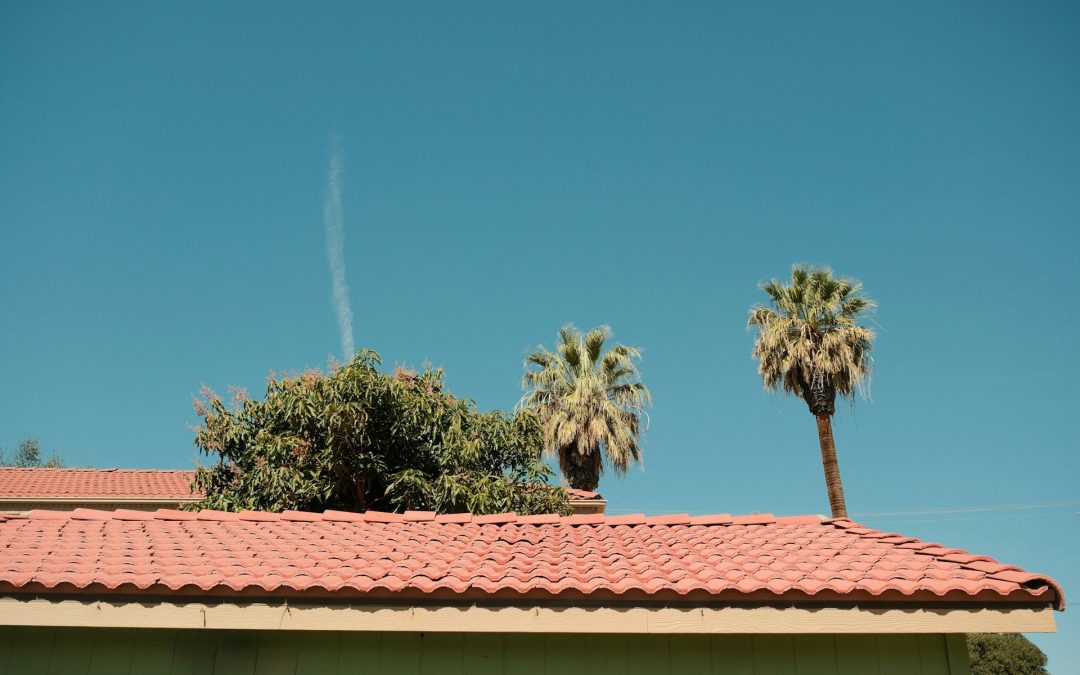
Roofs in Edina take a beating year-round. From frigid winters with stacks of snow to sudden spring storms with wind and rain, materials and workmanship get put to the test. That is why learning from roofing styles that stand up to decades, even centuries, of wear can help us make smarter building and repair choices.
One example we often look to is clay tile roofing. It has been used in all sorts of climates for generations and is still trusted in many places today. What makes it last so long? What can we take from that when making roofing decisions in Minnesota? The answer starts with understanding the value of good materials and how a smart clay tile roofing installation sets the foundation for strength that lasts. Act Roofing & Restoration specializes in roofing and storm damage restoration in Edina, Minnesota, so long-term durability is always part of how we think about roofs in this climate.
What Makes Clay Tile Roofs So Long-Lasting
It is not just the surface of clay tiles that holds up over time. The material itself is naturally tough, baked at high heat until it becomes almost rock-like. That gives it built-in resistance to weather changes and moisture, which are both major reasons roofs wear out in the first place.
Part of the strength comes from how clay tiles are shaped and sized. They are heavier than materials like asphalt and wood, which helps them stay put during strong winds. Their curved or flat forms allow water to flow off smoothly without pulling at the edges. Each tile overlaps the next in a way that creates a natural barrier to rain.
Strong roof design is a big part of what makes clay tiles last. It is not just about looking nice, it is about how everything fits together to shed water and avoid trouble over time. With the right setup, clay can last for generations.
A Closer Look at Clay Tile Roofing Installation
The way tiles are installed plays a big role in how sturdy the roof ends up being. A proper clay tile roofing installation is not just about sticking tiles onto a surface. It starts with planning and careful setup underneath.
Before placing the tiles, builders start by laying down waterproof layers. These include underlayment and supports that help the roof breathe and keep moisture from collecting where it should not. That is important in places like Edina where snow melts and refreezes, sending water into small cracks if the base is not sealed well.
When it is time to set the tiles, they need to be puzzled together just right. Overlapping areas keep water out, and each tile has to fit tight without pushing others out of place. What holds them down matters too. Roofers do not just nail clay directly, they often use hangers or materials meant for just this type of setup. That kind of attention is what gives clay roofs their reputation for staying put and standing strong.
What Other Roof Types Can Learn from Clay Tile
Most homes in Edina do not use clay tiles, but that does not mean other styles cannot take a few lessons. Materials like asphalt and wood shake are more common, but they still deal with the same snow, ice, and rain.
Here is what other roofing types can pick up from how clay tile roofs are built:
- Start with strong layers underneath. That includes high-quality underlayment that stands up to our freeze-thaw weather.
- Use smart overlaps and sealing. Clay tiles rely on tight spacing and layout. Other roofs can use flashing and sealing in key spots to copy that philosophy.
- Think about weight and balance. Heavy tiles stay on longer during windstorms. Lighter roofs need strong nailing and layout to do the same.
By applying some of the same strategies, especially with sealing, water flow, and airflow, other roof styles can last longer and hold up better with fewer repairs.
Local Weather and the Test of Time
Edina’s weather puts real pressure on roofing. Snow piles up and melts day after day. Spring brings strong gusts and steady rain. Then summer heat dries everything out. Back and forth like that takes a toll.
Lighter materials can sometimes shift or curl in response to our weather swings. Water can sneak in through cracks, especially after snow starts melting and refreezing in early spring. This is where clay tiles tend to shine. Their structure holds better with wet weather, and the shape makes runoff go smoother. They do not absorb water, so when everything freezes at night, the tiles do not crack easily.
Spring is an especially tricky time here since winter damage often has not shown up yet. Clay tiles can help with this season by offering more surface reliability. There is less chance of surprise leaks showing up after a long winter. When roofs last longer without sudden cracks, it saves a lot of stress for homeowners.
Built to Last: Why Roofing Should Be a Long Game
One of the clearest lessons from clay tile roofing is that durability starts well before the first storm hits. Choosing the right materials and giving plenty of care to layout and support goes a long way. A roof is not something to rush. It is worth taking the time to do things the right way from the start.
Even if your home is not using clay, the lesson sticks. The way materials work together, how water moves, and how roofs handle our shifting Minnesota seasons all matter. Long roofs do not just rely on luck, they come from planning, good installation, and regular checkups to catch small problems before they grow. Solid roofs are built, not wished into place. Along with repairs and storm restoration, Act Roofing & Restoration also provides new construction roofing for general contractors, architects, and other roofing companies, so we see every day how long-term thinking during installation pays off over time.
Homeowners in Edina looking for a new roof or planning ahead for future updates can benefit from understanding what lasting roofs have in common. Paying attention to important details like water control, tile layout, and material strength impacts the durability of your roof. At ACT Roofing, these factors guide our process during every clay tile roofing installation we perform. Our team takes the time to do the job right so your roof is built to withstand Minnesota’s challenging weather. Let’s start the conversation about how we can meet your roofing needs, contact us today.