

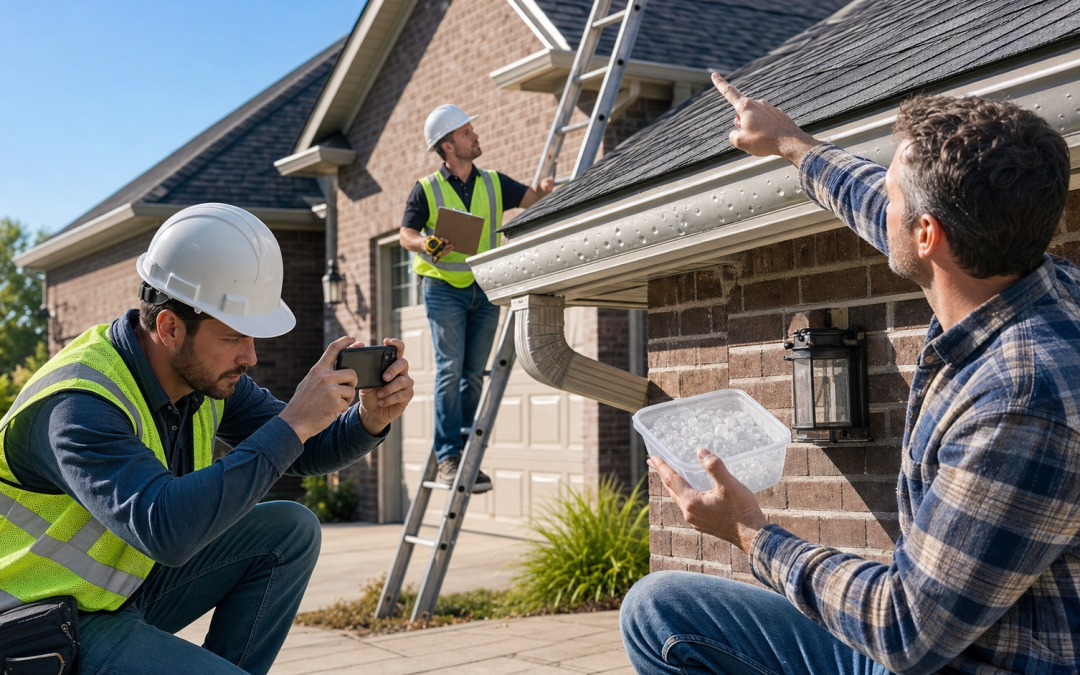
Protect Your Roof Before the Next Hailstorm Hits
Hail can significantly damage a roof without leaving anything obvious you can see from the driveway. The shingles may still look neat and flat, but the surface can be bruised, cracked, or lifted in ways that lead to leaks months later. By the time water spots show up on the ceiling, the damage has already been developing for some time.
Mid and late summer often bring stronger storms, so this is a smart time to think about the condition of your roof. One seemingly minor hailstorm can be enough to shorten the life of your shingles, loosen flashing, or clog gutters with granules. Most of that will not be clear from the ground, which is why many homeowners assume everything is fine until it is not.
Free, no-obligation roof inspections from a trusted, family-owned roofing and storm restoration company can provide clear answers without pressure. With decades of experience serving local homeowners, we understand how to distinguish normal wear from true hail and wind damage and how those findings connect to your insurance coverage. Our goal is to protect your home and your policy by identifying storm-related issues early, including damage that may not be visible from the ground.
In this article, we will outline what you can safely look for, which photos to take, smart questions to ask, and red flags to avoid so you can feel prepared before and during a professional hail roof inspection.
Spotting Hail Damage Before the Professionals Arrive
You do not need to climb on your roof to gather helpful information after a storm. In fact, for your safety and to avoid making any damage worse or affecting an insurance claim, we strongly recommend that you stay off the roof. There is plenty you can check from the ground and around your property.
Walk slowly around your home and look at components that are easier to see than shingles. Hail often leaves its mark on softer or metal surfaces first. Those areas provide useful clues about what may have happened on the roof itself.
Here are good places to check from the ground after a hailstorm:
- Gutters and downspouts for dents, dings, or chipped paint
- Siding and trim for cracks, chips, or small round impact spots
- Window screens for tears or tiny holes in the mesh
- Decks, railings, and fences for fresh marks or splintered wood
- AC units, metal vents, and vehicles for clear dents or cracked plastic
It helps to recognize the difference between storm damage and normal aging. Normal wear shows up as light fading, a bit of chalky paint on older siding, or gentle surface rust on old metal. Hail damage looks more like sharp, defined impacts, crushed areas, or spots where the coating is knocked away in round shapes.
There are also important things not to do:
- Do not climb on the roof, even if it appears safe.
- Do not attempt do-it-yourself repairs with caulk, spray sealants, or spare shingles.
- Do not ignore seemingly small clues, such as a few dents in gutters or extra granules in downspouts.
Those small clues often match up with bruised shingles, torn seals, and loosening nails that only a trained roofing inspector will recognize. A professional who specializes in hail and wind damage can document these issues in a way that aligns with how insurance adjusters review claims. Early, accurate notes and photos help protect you from surprise denials, coverage disputes, or larger repair needs later.
Essential Photos to Take Before Your Free Roof Inspection
Clear photos can make a significant difference after a storm. They create a record of what happened and where, and they help everyone involved see the same information. Your roofing inspector and your insurance adjuster both benefit when you have simple, organized pictures to share.
Try to capture a mix of wide and close-up photos, including:
- Wide shots of each side of your home, from ground to roofline
- Close-ups of dents in gutters, downspouts, metal trim, and garage doors
- Hailstones next to a coin or tape measure to show size
- Damage to outdoor furniture, fences, decks, AC units, and vehicles
If you already have older photos of your home from before the storm, note where they are saved. Before-and-after comparisons help show that certain marks are new and storm related, not from long-term wear. Even pictures taken during holidays or family events in the yard can sometimes help.
A few tips for better documentation:
- Take photos in daylight, but avoid shooting directly into the sun.
- Take photos from several angles, not just one spot.
- Avoid overusing digital zoom; you can crop later for clarity.
- Put everything in a clearly labeled folder so it is easy to share later.
If you miss a few details, do not worry. An experienced roofing inspector will take their own photos of all damaged areas and can help you organize everything for the insurance company. That support is typically included as part of a free roof inspection, so you are not left guessing on your own.
Smart Questions to Ask During a Hail Roof Inspection
When your inspector arrives, you should receive more than a simple “yes, there is damage” or “no, you are fine.” The right questions help you understand the condition of your roof, what should happen next, and how that connects to your insurance policy and budget.
Ask about what they observe on the roof itself:
- What types of hail and wind damage are present?
- Which areas need attention right away, and which can be monitored over time?
- If repaired now, how much useful life does the roof likely have left?
Then move into materials and installation details, especially if a replacement is recommended:
- What roofing products perform best in hail- and high-wind-prone areas here?
- Are the suggested shingles or systems rated for impact resistance and strong winds?
- How do your installation practices help the roof withstand future storms and extend its service life?
- What manufacturers do you use, and what warranties are available on both materials and workmanship?
You will also want clear answers about insurance and budgeting:
- Based on what you see, should I file a claim with my insurance company?
- How do you work with insurance adjusters during inspections?
- How will your estimate align with my policy terms, deductibles, and any required code upgrades?
- How do you help make sure the scope of repairs approved by insurance actually restores the roof to pre-storm condition in line with my policy?
Finally, ask about the company itself: How long have you been in business locally? Are you family-owned? Can you provide references or testimonials from past hail and wind damage projects? A trustworthy, customer-focused company will welcome these questions, provide patient explanations, and walk you through the inspection, claim, and repair process step by step, without any obligation or high-pressure tactics.
Red Flags When Choosing a Roofing and Storm Repair Partner
Not everyone who knocks on your door after a storm has your best interest in mind. Some contractors follow severe weather, work a few jobs, and leave town quickly. Pay close attention to behavior, documentation, and how they talk about your insurance claim.
Watch for these warning signs:
- Trucks with out-of-state plates that show up immediately after a storm.
- High-pressure sales talk or “sign right now” demands.
- Vague or handwritten estimates with little detail on materials, labor, and timelines.
- Requests for large upfront payments before insurance approval or before any work is scheduled.
Communication and documentation matter as well. Be cautious of contractors who:
- Refuse to share photos or clear proof of damage.
- Avoid explaining the scope of work in plain, professional language.
- Will not compare their plan to your insurance estimate or explain differences.
Be especially careful if anyone suggests bending rules related to your policy. If a contractor encourages you to misrepresent damage, waive your deductible in a way that violates your policy, or sign paperwork you do not fully understand, your claim and coverage could be at risk.
In contrast, a reliable roofing partner focuses on long-lasting solutions, not quick wins. That means transparent written estimates, clear timelines, coordination with your adjuster, and work that follows local building codes, manufacturer guidelines, and your policy terms. Top-quality materials and thorough installation practices help your roof handle future hail and wind better and protect your home for years.
From First Call to Finished Roof With a Trusted Local Team
When you work with an experienced, family-owned roofing and restoration company, the process should feel clear and well managed from start to finish. For many homeowners, it begins with a free, no-obligation roof inspection after a storm. A trained, storm-damage specialist arrives on time, evaluates your roof, gutters, and exterior, and then walks you through what was found in straightforward terms.
If damage is identified, the next step is to help you decide whether it makes sense to file an insurance claim. Many homeowners appreciate having the roofer present when the adjuster visits, so everyone is looking at the same areas and the photos, notes, and measurements align. A good company will review each line of your claim estimate with you so you understand what is covered, how the proposed repairs match your policy, and what your out-of-pocket costs (such as deductibles or upgrades) will be.
From there, timely, budget-conscious project management keeps things moving smoothly. Crews are scheduled around weather and your routine, materials are delivered on time, and your property is protected with tarps and thorough cleanup. Throughout the project, you should receive clear communication about progress, any changes, and the expected completion date.
A reputable, long-standing company will use top-quality, storm-tested materials and follow rigorous installation practices designed for long-term performance, not just appearance on day one. The goal is a roof that looks excellent and is built to last through future hail and wind events.
Many homeowners later describe the experience in simple terms: responsive communication, courteous crews, expert guidance through the insurance process, and a finished roof that gives them peace of mind when dark clouds build again. That is the level of service a long-established, family-owned team aims to provide on every storm restoration project: professional, customer-focused, and aligned with your insurance coverage and budget from inspection to final cleanup.
Protect Your Home With Expert, No-Obligation Roof Help Today
If you have concerns about storm damage or aging shingles, our team at Act Roofing & Restoration is ready to take a close look at your roof and walk you through practical options. Schedule one of our free roof inspections so we can identify issues early and help you prevent costly repairs. We will explain our findings in clear terms and answer any questions you have. When you are ready to move forward or need quick assistance, simply contact us to get started.