

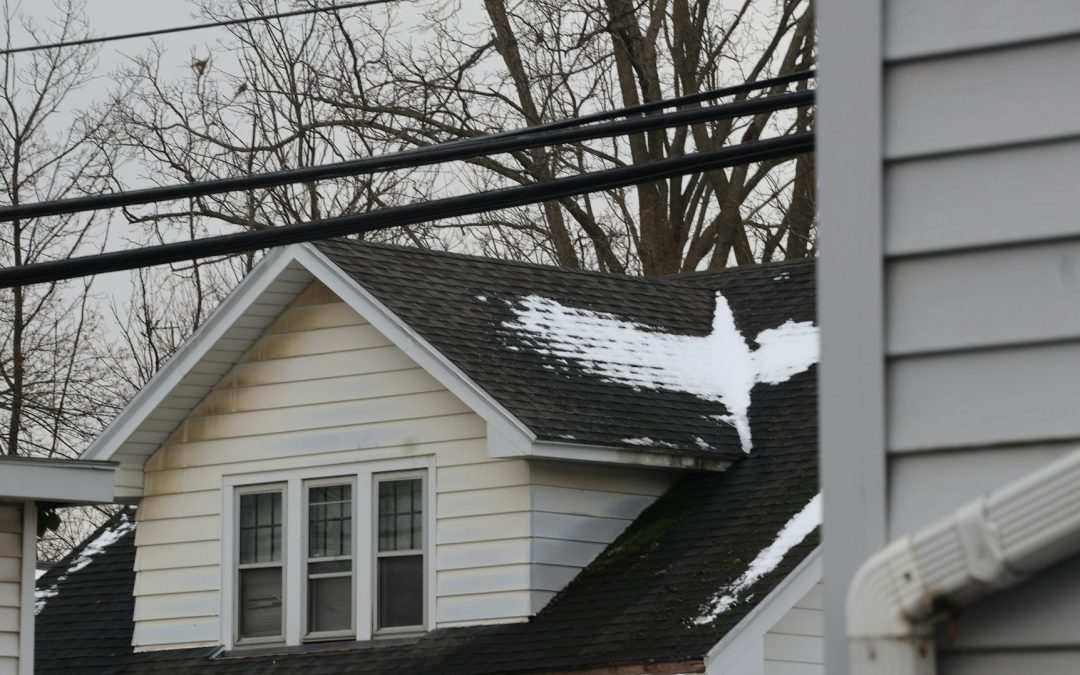
Winters in Edina bring more than just snow. Along with the cold comes wind, and that wind can quietly damage your roof in ways that aren’t easy to see. Before the snow fully sets in and freezes everything tight, it’s smart to take a closer look. Damage from strong wind can start small, but as temperatures drop and ice builds up, those little problems can grow into something much bigger.
We’re always thinking about how to help homeowners catch issues before they turn into headaches. That’s why it’s worth learning what early signs to watch for and what might be hiding in plain sight. Some of the most common storm damage roofing problems don’t show up until after the snow melts, but by then it might be too late to prevent leaks and water damage. Here’s how you can spot potential wind issues before the deep freeze moves in. Act Roofing & Restoration has been providing roof and storm damage restoration services in Edina since 1992, so we have seen how early wind damage can create problems once winter hits.
Look for Shingles That Have Lifted, Cracked, or Gone Missing
Shingles are your roof’s first layer of protection, and wind is one of their biggest enemies. After a big gust or days of strong winds, shingles can take a beating. Sometimes the damage is obvious. A few are missing. Some are laying in the yard. But in many cases, they stay in place and still end up lifted or cracked.
Here’s what to look for on the roof itself if it’s safe to observe from the ground:
- Shingles that look uneven or lifted at the corners
- Curled edges that don’t lay flat anymore
- Visible cracks running across the surface
- Missing sections, especially near the edges and ridges of the roof
Even one damaged patch can let moisture in. That water might not drip inside right away, but as snow piles up and starts to melt, it seeps through those weak spots. Over time, what started as a loose shingle can lead to damaged wood underneath or even mold in the attic.
Check for Dents and Dings Around Vents, Flashing, and Skylights
The flat parts of your roof get most of the attention, but don’t forget about the small details around roof features. These areas are easy to overlook, yet they’re often where issues begin after strong winds.
Think about the different roof openings and features you might have. Around chimneys, vent pipes, satellite mounts, and skylights, there’s metal flashing and sealant meant to block water. Wind can rattle and shift that hardware just enough to tear seals or bend flashing out of place.
Common signs of damage in these spots include:
- Dents or small holes left by flying debris
- Flashing that looks bent, lifted, or rusted
- Cracks in sealant around skylight frames
- Debris buildup that could be hiding hidden shifts or damage
Sometimes everything looks fine from below until the next storm rolls in. Then all of a sudden, water finds the gap and gets inside.
Watch for Signs from Inside the House
One of the easiest ways to catch roof problems is by looking around indoors. Most people don’t think about their roof much until water is dripping through the ceiling. But smaller signs can show up weeks before a full-blown leak.
Keep an eye out for these indoor warning signs:
- Water spots on the ceiling, especially on the top level
- Paint that’s bubbling or peeling along the walls
- Musty smells in upper rooms or the attic
- Cold spots or sudden drafts, even with the heat on
- Unexpected jumps in your heating bills
All of these could mean that wind found a way to sneak into your roofing system. Cold air and moisture coming in through tiny holes can mess with insulation and raise heating costs without showing any visible damage on the roof itself.
Why Timing Matters Before February Ice Hits
In a place like Edina, February tends to bring some of the coldest days of the year. That’s when ice buildup becomes a real concern, especially if wind has already caused damage earlier in the season. Once the snow turns to ice, whatever was exposed gets worse.
Here’s what happens when wind-damaged roofs meet cold weather:
- Gaps created by wind let warm air leak out and melt nearby snow
- That melted snow slides down and collects near the roof edges
- Freezing temps at night cause the water to solidify into heavy ice dams
- Ice dams trap more melting snow, pushing it back under the shingles
When this cycle repeats, it can lead to soaked insulation and water trickling into ceilings and walls. What could have been a small patch job before the ice arrived might need much more work come spring.
What Storm Damage Roofing Experts See That You Might Miss
From the ground, things might look fine. But we know from experience that some of the worst damage hides just out of view. Wind can lift up layers of the roofing system without fully tearing them off, and those spots are hard to notice until they’ve already let water through.
Here’s where trained eyes often find problems:
- Decking underneath shingles that feels soft or warped
- Flashing that looks secure but has loosened underneath
- Cracked boot seals around vents that look normal on top
- Shingles that lifted and settled back down but never re-sealed
These are the kinds of small issues we see when checking roofs after heavy wind. Our team offers free inspections when you suspect hail or wind damage, especially in cases where problems are not visible from the ground. If you haven’t had a close look since the last storm, those weak points can sit there for weeks without making a sound. Then one day, the snow melts into places it shouldn’t.
Stay Safe and Dry Before Winter Gets Worse
Roof damage doesn’t have to be dramatic to cause real problems. Sometimes, it’s just a missing shingle or a bent piece of flashing. But left alone, those little things open the door for water, cold, and ice to do lasting harm. And once February sets in, it’s harder to patch things up until spring.
Looking sooner rather than later gives you a chance to stop small problems in their tracks. That way, when the snow really starts to pile on, you’re not worrying what’s going on under the surface. It’s easier to enjoy winter when you’re not dealing with surprises from above.
Curling shingles or drafts creeping indoors are signs you shouldn’t ignore, especially before winter arrives. Wind damage can be subtle, but once snow and ice settle in, minor issues often become expensive headaches. That’s why we always recommend taking a closer look at your roof after strong winds, particularly if you’re worried about storm damage roofing in Edina. At Act Roofing & Restoration, we know what to look for and can help you stay ahead of potential problems. Call us today to schedule your inspection.