

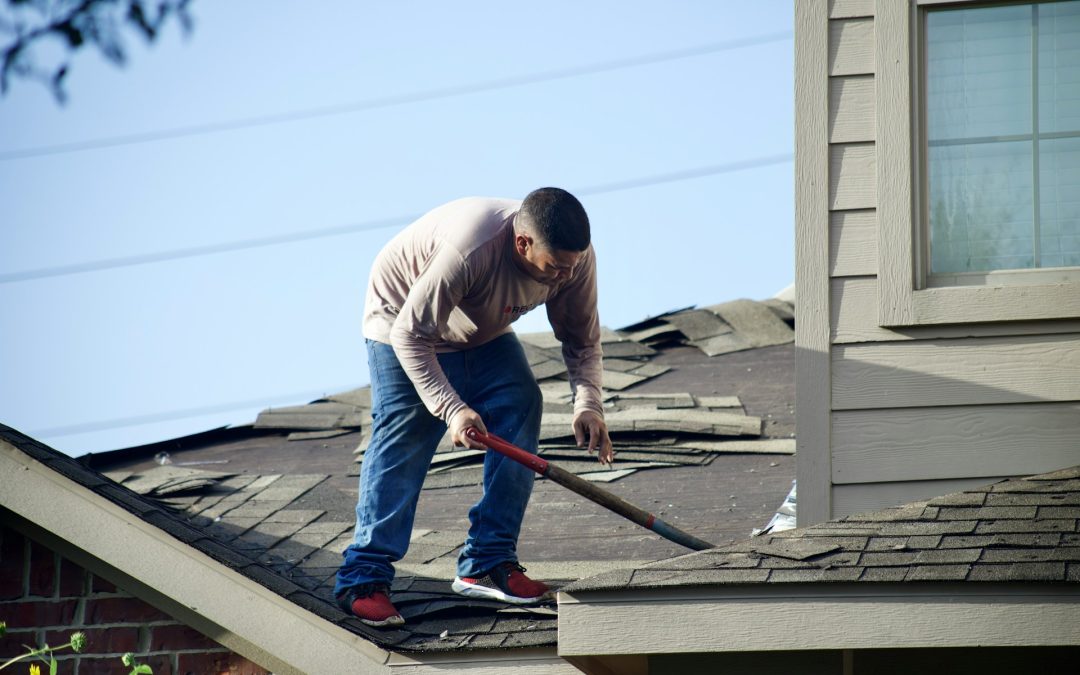
Winter puts every roof in Edina to the test. With freezing temperatures, snowpack, and ice buildup, a roof that looks fine from the ground might be hiding early signs of damage. Shingles lift, water sneaks in, and trouble starts to spread quietly.
That’s where free roof inspections come in. They give us a way to catch small problems before they grow. Checking early in the season, or after a storm, helps keep winter from doing bigger damage later. We’ve seen firsthand how these inspections bring peace of mind and help homeowners stay ahead of winter headaches.
Let’s take a closer look at why winter damage is hard to spot, what a real inspection covers, and how a quick check can save a lot of stress before snowmelt hits.
Why Winter Roof Damage Is Hard to Spot Early
Most roof problems start small, especially in winter. The trouble is, snow and ice usually cover them up. From the ground, everything might look normal. But that doesn’t mean the roof is in great shape.
- Snow buildup can hide missing shingles, clogged gutters, and cracked flashing.
- Small leaks caused by missing sealant or lifted edges don’t always show up indoors right away.
- When it’s cold out, those little flaws freeze and thaw. Over time, they spread.
Even something as simple as a nail that backed out a bit last summer can become a problem when ice presses down on a weak spot. Without looking closely (especially in places you can’t safely reach), there’s no easy way to catch issues before they spread. That’s why waiting until spring isn’t always the safest choice.
Missing or damaged shingles in particular may let water seep into layers below the surface during a freeze. This moisture can get trapped when new snow falls, making it take even longer to spot visible issues. Sometimes, a little leak during winter only becomes obvious when warmer air returns, and by then, repairs are bigger. Waiting too long often leads to surprise repairs, so being proactive pays off.
What Roof Inspectors Look for During a Winter Check
When we inspect a roof in winter, we focus on spots that take the most stress. Edina winters hit hard, so we pay special attention to signs of weakness that the cold can make worse.
- We look at areas where snow piles up, like dips, valleys, and shady sides of the roof. These places often collect more weight, which puts extra pressure on shingles.
- Shingles are the roof’s first line of defense. If they’re curling, cracked, or shifting, water can slip underneath, especially when snow melts slowly.
- Around things like chimneys, vents, or skylights, we check for heat loss. Warm air escaping from inside can melt snow unevenly, which makes ice dams worse.
Inspectors also look closely for any signs of water marks, dark streaks, or moss growth around the edges of the roof. Small plants or discolored patches may mean trapped moisture, hinting at leak points. Downspouts and gutters are important parts of the inspection since blocked gutters can force meltwater back up under shingles.
Each roof is different. Some have steeper slopes that shed snow quickly. Others hold onto snow longer. A winter inspection can tell us how your roof is handling freeze-thaw cycles, where heat might be seeping through, and whether small cracks are starting to expand.
During a winter check, we also watch for pooling water or icy patches near the eaves. These areas can create leaks if left unchecked until a spring thaw or heavy rain. Even flashing that looks fine in summer can shift with freezing temperatures, so eyeing these closely is another way we help spot trouble early.
How Free Roof Inspections Help You Catch Problems Early
The best part about free roof inspections is simple: they give you a heads-up without committing to anything. You get answers early, instead of waiting until dripping ceilings or soaked attic insulation tell you there’s trouble.
- When problems show up now, you can fix them before they get worse.
- Damage is usually milder early on, which can mean fewer repairs down the road.
- Since we’ve worked in Edina for years, we know how winter in Minnesota pushes roofs in specific ways.
It feels good to know your roof is holding strong after a heavy snow or windstorm. Inspections can reveal issues such as small holes, nail pops, or minor separation at joints, things that start as small fixes but can quickly turn into bigger jobs if missed for a whole season. By getting in front of these smaller concerns, you often have more choices about when and how to handle repairs.
Catching things like lifting edges or blocked drainage early can stop water from pooling under the shingles. When everything stays dry, your roof lasts longer, and you don’t have to worry about sudden problems showing up after a thaw.
Another benefit of a winter roof check is reassurance as storms come through. When snow piles up week after week, or temperatures swing from freezing to mild, knowing that your roof has been inspected can take a lot of worry out of the season. Sometimes inspectors can help you spot energy loss from the attic as well, since poor ventilation or gaps let heat escape, creating more risk for ice dams.
When’s the Best Time to Schedule a Winter Inspection
Winter doesn’t come at you all at once. That makes timing your inspection a little easier. Picking the right moment can make all the difference.
1. Right after a heavy snow gives us a chance to see how your roof handles extra weight.
2. A warm day after a cold stretch brings out melt patterns, which help us spot areas where ice is hiding trouble.
3. After high wind or cold rain is another smart time to check for missing pieces or new leaks.
It is helpful to choose a day when the sun is out, since natural light will reveal subtle shifts in color or texture on shingles and flashing. Likewise, a day or two after snow starts melting is perfect for tracking water flow and drainage. That way, we can look for signs that your roof is shedding water the way it should, instead of soaking into vulnerable spots.
We always suggest letting the pros handle the roof check. This time of year, it’s not safe to walk on snow-covered shingles or use ladders in icy conditions. We’re trained to move carefully and know what signs to look for, even when most of the roof is hidden under snow.
When ice is thick, or snowdrifts pile up, the surface can be even more slippery than you might expect. A roofing professional brings safety practices, tools for careful movement, and knows how to check tricky spots right from the ladder or through attic access points. These quick checks can mean the difference between a surprise leak and a smooth season.
Your Local, Storm-Ready Roofing Partner
With years of experience in Edina, Act Roofing & Restoration specializes in identifying storm-related issues that may not be visible from the ground. Our team is trained to recognize hail and wind damage on roofs, siding, and windows, providing a complete evaluation beyond what’s visible to homeowners.
Free roof inspections are one of the easiest ways to stay ahead during a rough winter. They don’t take much time, and you don’t have to do anything yourself. We just check the roof and give you a straight answer on how it’s holding up.
Winter in Edina can be long and cold. Having one less thing to worry about gives you room to focus on the stuff that really matters. When your roof is doing its job, your home stays warm, dry, and stress-free. A quick look now means spring won’t catch you off guard.
Wondering how your roof in Edina is holding up this winter? Snow and ice can hide issues that become costly if left unchecked, especially with constant freezing and thawing. At Act Roofing & Restoration, our trusted process helps us spot trouble before it turns into a bigger concern. See what’s included in our free roof inspections and what you can expect when you schedule your winter roof check with us today.