

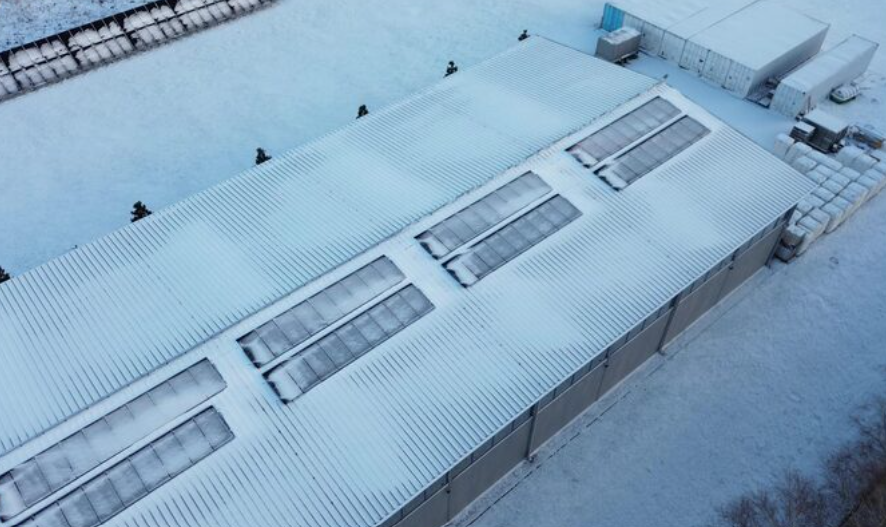
Frozen roofs can show up out of nowhere. One day the building seems quiet and dry, and the next, someone notices water drip marks on a ceiling tile or feels a cold draft in a room that’s usually warm. It’s the kind of thing that catches building owners off guard, especially in Edina when winter really settles in.
This kind of trouble is common after a deep freeze, and commercial roofers see it all the time. The real challenge is that most of the damage isn’t easy to spot. It hides under snow, behind vents, or inside walls. Act Roofing & Restoration is a commercial and residential roofing company based in Edina, MN, and we offer free inspections when you suspect storm-related damage that may not be visible from the ground. So knowing what to look for helps you stay ahead of bigger problems. Let’s go over what matters when a commercial roof freezes up without warning.
Signs Your Commercial Roof Might Be Frozen
If a roof has frozen unexpectedly, there are certain red flags you might notice from inside the building before you spot any problems up above. Pay close attention to changes like these:
- Water stains on the ceiling, especially near corners or vents
- Rooms feeling colder than usual even with the heat running
- Ice forming around the roof edge or blocking rooftop drains
These clues might not seem like roof problems at first. A water spot can feel like a plumbing issue, and a chilly room might just feel like poor insulation. But when they show up together, they often point to ice buildup or hidden leaks caused by freezing.
It’s not always obvious right away. Sometimes the only clue is a slow drip that starts after a small thaw. By then, the ice may have already worked its way under the top layer of the roof. That’s when indoor signs become your best early warning.
Why Freezing Catches Flat Roofs by Surprise
Flat roofs hold up well most of the year, but freezing temps introduce a different set of problems. The design of these roofs makes it easier for snow and water to hang around longer than they should.
Three things make freezing dangerous on these kinds of roofs:
- There’s no slope to help water run off, so melting snow tends to pool
- If rooftop drains freeze up, the water doesn’t go anywhere
- Freezing and thawing cycles cause ice to expand, breaking seals and seams
What starts as a light snow melt during the day can become a thick sheet of ice by night. Over time, that constant freezing and shifting can start to tear into the edges, flashing, and corners. Even roofing materials themselves can crack when temps dip low enough. It can all happen fast after one cold snap.
The result? Water starts finding its way under the roof surface. What should have drained off ends up stuck in the wrong place, waiting for a warm day to melt and find a way inside.
What Happens If You Wait Too Long
A frozen roof isn’t something that gets better on its own. Waiting it out often leads to bigger headaches. The longer ice sits where it shouldn’t be, the more likely it is to create lasting damage.
Here’s what can happen when frozen spots are left alone too long:
- Ice dams keep melted water from draining, so it pushes under the roof layers
- Long freezes can cause cracks in roof surfaces, seams, and even underlayers
- Extra snow buildup adds weight, which puts strain on older roofing
None of this tends to show up right away. Water may quietly spread inside walls and ceilings before anyone realizes how far it’s gone. Once it’s warm enough to fully melt, the leaks become more obvious, but by then, the damage is already done.
Acting early is the best way to stop these issues from piling up. Once the freezing starts turning into leaking, repairs become a lot more complex. And mid-winter isn’t a great time to uncover major structural problems.
How Commercial Roofers Can Help Right Away
When we step in to check for freeze damage, we know what to look for. The real trouble often isn’t what you can see from the parking lot or rooftop. Ice builds up under hidden corners, around clogged drains, and deep in roofing seams. Our work extends across the Minneapolis and Twin Cities area, so we are familiar with how local winter weather affects commercial roofs.
Here’s how commercial roofers help when a freeze sneaks up:
- We check for drainage backup and remove rooftop blockages
- We look for ice under vents and around flashing that may be leaking
- We catch small cracks, lifted seams, or loosened materials before they turn into leaks
The goal is to find the trouble early, patch it quickly, and help buildings stay dry and warm. This can make a big difference during long stretches of cold in places like Edina, where February weather often lingers for weeks. When another snowstorm shows up, you want to be sure frozen water won’t sneak inside again.
Stay Ahead of Trouble Before the Next Freeze
Unexpected roof freezes aren’t just a winter problem. They’re a warning sign that something up top isn’t draining, thawing, or sealing the way it should. That first leak or frost-covered drain is often the start of something more serious.
By keeping an eye out for changes inside the building and checking the roof soon after snow or ice storms, we can stop the damage from spreading. The earlier frozen trouble is caught, the easier it is to fix before the next hard freeze makes things worse.
Sometimes it’s just a patch. Other times, it’s a warning that a larger repair is coming. Either way, staying ahead of the freeze matters. The more proactive we are now, the fewer surprises we’ll have to deal with when spring finally arrives.
In Edina, frozen roofs can quickly turn from a minor concern into costly repairs if not addressed early. Our team helps building owners identify potential issues before hidden leaks or internal damage occur. Wondering what the last freeze may have left behind? Discover how our commercial roofers can restore your roof and protect your investment. When you’re ready to move forward, call Act Roofing & Restoration.