

What Happens When Local Roofing Repair Is Delayed After Hail
Hail does not have to be giant to be a problem. Even small stones driven by wind can bruise shingles, dent metal, and weaken the parts of your roof that keep water out. When that damage is left alone, it usually does not stay “minor” for long.
In the Twin Cities and around Edina, hail is a normal part of late fall and early winter weather. Many homeowners and business owners see signs like shingle granules in the gutters, dings on downspouts, or roofing trucks on their street and decide to wait until spring. That delay is where trouble starts. We want to walk through what really happens to your roof after hail, why local roofing repair matters, and how quick action can save you from big headaches down the road.
How Hail Really Damages Your Roof
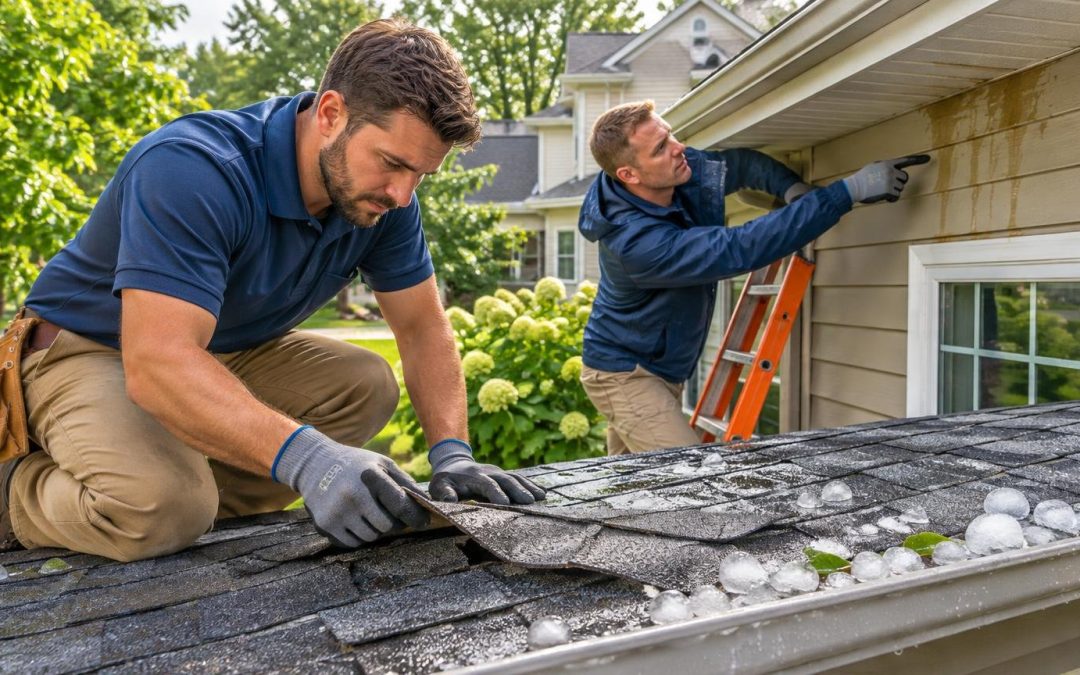
From the ground, your roof might look fine after a storm. Up close, it can be a very different story. Hail hits roofing materials in different ways, but the end result is usually the same: the waterproof system is weaker than before.
Here is what hail can do to common roofing types:
- Asphalt shingles: knocks off protective granules, leaves dark bruises, cracks the shingle surface
- Cedar shakes: splits or fractures wood, loosens fasteners, opens gaps for water
- Flat roofs: punctures or dents membranes, stretches seams, damages coatings
The part that worries us most is the damage you cannot easily see. A shingle can look mostly normal but have a bruise where the mat underneath is crushed. That bruise breaks the bond that keeps water out. Over time, sun and temperature changes make that spot weaker until it lets water through.
Hail can also hurt the “extras” tied into your roof system:
- Gutters and downspouts
- Flashing around chimneys and walls
- Roof vents and pipe boots
- Skylights and their seals
- Nearby siding
If these pieces are bent, cracked, or pulled loose, water can sneak in around them. Without a close inspection, it is easy to miss these issues until the next big storm shows you where the weak spots are.
Why Waiting Turns Small Problems Into Big Repairs
When local roofing repair is delayed after hail, the damage rarely stays the same. It usually follows a pattern that looks something like this:
- Hail hits and bruises or cracks shingles.
- The next rain pushes a little water under the damaged shingle.
- Underlayment starts to soak and lose strength.
- Roof decking, which is often wood, begins to stay damp and can rot.
- Over time, mold and mildew can grow where you cannot see them.
Inside your home or business, that slow leak shows up later as:
- Brown or yellow ceiling stains
- Peeling or bubbling paint on walls
- Musty smells in rooms or closets
- Damp or clumped attic insulation
- Flickering lights or tripped breakers if moisture reaches electrical areas
What could have been a simple repair, such as replacing a few damaged shingles or fixing one area of flashing, can turn into:
- Partial or full roof replacement
- Replacement of rotten decking
- Interior drywall and paint work
- Possible flooring, trim, or cabinet repairs if leaks travel far enough
For business properties, the stakes are even higher. Water damage can:
- Force you to close off parts of the building
- Create slip hazards for staff and customers
- Damage stock, equipment, or furniture
- Interrupt normal operations at the worst possible time
All of this often starts with hail damage that did not look urgent at first glance.
How Minnesota Weather Makes Delays More Risky
Our local weather gives hail damage every chance to get worse. Once temperatures start dropping around late fall, the freeze-thaw cycle kicks in. Here is how it works on a damaged roof:
- Water seeps into small cracks or bruised spots.
- Temperatures fall, and the water freezes and expands.
- That expansion widens the crack or lifts damaged material.
- The next thaw and rain push even more water in.
Snow adds more stress. When snow piles up on a weakened roof:
- Extra weight presses on damaged decking and shingles
- Warm air from inside the building can melt the bottom layer of snow
- Melted water can refreeze at the eaves, creating ice dams
- Water backs up under shingles and finds every path inside
If hail damage from fall is left alone, it often shows up as emergency leaks during a warm spell, heavy snow, or an early winter rain. Those are also the times when roofers are the busiest, which can make quick help harder to get.
A local roofing repair team that works in Edina and the surrounding area understands:
- Typical hail patterns and wind directions
- Common roof styles and materials in local neighborhoods
- Local building codes and permit needs
That local knowledge helps make sure repairs stand up to our weather now and long term.
Insurance Problems You Might Not Expect
On top of structural and water issues, delayed hail repairs can create trouble with insurance. Most policies expect you to report storm damage promptly. Waiting to “see if it gets worse” can cause problems later.
Insurance companies usually look for:
- Signs that damage is new and storm related
- Evidence of ongoing leaks or long-term neglect
- Whether damage was made worse by not addressing it in a timely way
If an adjuster sees that hail damage has been sitting for a long time, you might face:
- Questions about which damage is from the covered storm and which is from neglect
- Partial coverage for only part of the needed work
- Possible denial if the company decides the roof was not maintained
Involving a local contractor early can help. A good roofing team can:
- Document hail damage soon after the storm with photos and notes
- Explain which parts of the roof were affected and how
- Provide clear information to support an accurate claim
Quick, local roofing repair can also limit how much new damage happens after the storm, which usually keeps your out-of-pocket costs lower than if you wait.
Why Local Roofing Repair Should Be Your First Step
When we say “local,” we mean a roofing contractor that works and lives in your broader community, not a crew that follows storms from state to state. Working with a local roofer gives you:
- Knowledge of local hail patterns and building styles
- Familiarity with city rules and permit needs
- A team that will still be around if you have questions later
By contrast, out-of-town storm chasers might appear right after a big hail event, then disappear once the work is done. That can leave you with little support if something is not right down the road.
A trusted local roofer can:
- Inspect your roof safely and thoroughly
- Explain whether you need repair or replacement
- Prioritize weather-tight fixes before harsher weather hits
- Help you understand your options in plain, simple terms
Practical Steps to Protect Your Roof After Hail
You do not need to climb on your roof to be proactive. After a hailstorm, you can:
- Look for granules in gutters or at downspout bottoms
- Check for dents in metal gutters, downspouts, and outdoor AC units
- Note any missing, lifted, or curled shingles that are visible from the ground
- Write down the date and time of the storm and keep any photos or videos
Then, schedule a professional hail damage inspection from a trusted local contractor. A roofing pro can safely check:
- Shingles or roof membrane up close
- Flashing, vents, and skylights
- Gutters, downspouts, and nearby siding
- The attic for early signs of leaks or moisture
Act Roofing & Restoration is a family-owned roofing contractor based near Edina, and we focus on storm damage restoration, new roof installation, and insurance-supported repairs for both homes and businesses. When we inspect a roof after hail, our goal is simple: give you clear information, help you understand what is urgent and what is not, and support you as you work with your insurance carrier. Taking these steps before deeper freezes and heavy snow arrive gives you more options, better timing for work, and stronger protection for your property.
Get Started With Your Project Today
If your roof is showing signs of damage, we can inspect it, explain your options, and provide reliable local roofing repair that fits your budget and timeline. At Act Roofing & Restoration, our team focuses on practical solutions that protect your home and prevent small issues from turning into costly problems. Reach out to us today through our contact page to schedule your appointment and get your roofing project moving.