

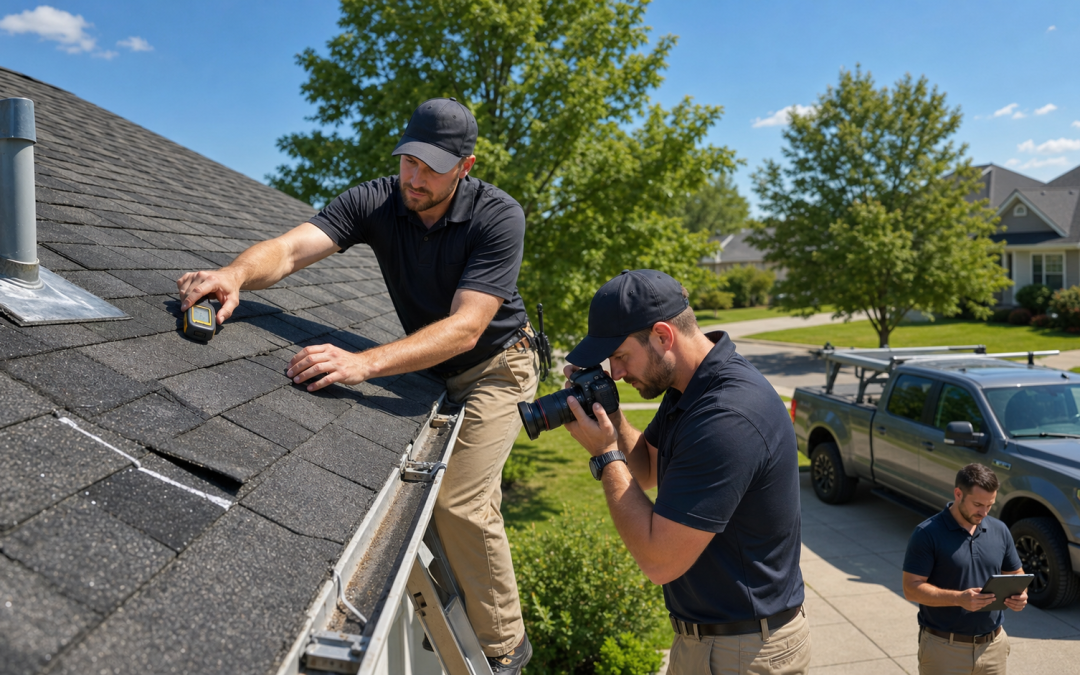
Protect Your Roof Before Summer Storms Strike
Strong summer storms can be hard on any home, especially the roof. Hail, heavy rain, and high winds often show up with little warning, and by the time you see a leak on your ceiling, the damage is already done. That is why late spring and early summer are smart times to have a storm damage roofing inspection before the worst weather hits.
A proactive inspection can catch small issues while they are still easy to fix. When problems are found early, you are less likely to deal with sudden leaks, mold growth inside your home, or emergency repairs during a storm. Many homeowners are surprised by how much damage can hide on a roof that still looks fine from the yard.
As storm damage roofing pros, we know how local weather can punish shingles, flashing, gutters, and more. We spend a lot of time looking for the subtle signs left behind by hail, wind, and pounding rain so your roof can be ready for summer.
Spotting Hidden Hail and Impact Damage
Hail is one of the biggest threats to a roof in warm weather. Even smaller hailstones can bruise shingles, crack tiles, or dent metal surfaces. The tricky part is that most of this damage does not stand out when you look up from the driveway.
When we inspect for hail and impact damage, we look for things like:
- Soft spots or “bruises” in asphalt shingles where the surface feels spongy
- Bare areas where shingle granules have been knocked off
- Cracked, split, or slightly broken shingles or tiles
- Dents in metal vents, flashings, gutters, and downspouts
Granules on an asphalt shingle protect it from the sun and help it shed water. When hail knocks those granules loose, the shingle can age faster and become brittle. Cracked tiles can let water work down into the underlayment. Dented metal on vents or flashing can hold water instead of shedding it.
This sort of hail damage can shorten the life of your roof and may even affect warranty coverage if it is not addressed. Often, leaks from impact damage do not show up right away. It can take months for slow seepage to soak the decking and make its way into ceilings or walls, which is why a careful inspection after storm season starts is so important.
Wind Damage That Signals Bigger Roof Problems
Strong winds can peel, twist, and lift roofing materials without fully tearing them off. You may notice a few missing shingles after a storm, but that is only part of the story. The real issues often happen where the wind has started to loosen the roof system.
During a storm damage roofing inspection, we pay close attention to:
- Lifted, curled, or missing shingles
- Loose or damaged ridge caps and hips
- Shingles that do not line up correctly
We also look for shingle seal failures, where the adhesive strip that should hold shingles flat has broken loose. Nail pull-through is another concern, where nails start to tear through the shingle or decking. Both problems create little openings where wind can get under the roofing and where water can find its way inside.
The roof edges face the strongest wind pressure. So we also check:
- Fascia boards for cracks, rot, or pulled fasteners
- Gable ends for gaps and movement
- Soffits and exterior trim for flexing or broken sections
If these areas are stressed, the edge of the roof is more likely to lift in a future storm, which can lead to larger areas of damage.
Water Intrusion and Leak Paths Pros Never Ignore
Water usually does not enter straight through the middle of a roof. It almost always finds the weak spots around joints and edges. That is why we focus on the common leak paths that tend to act up once summer storms bring wind-driven rain.
Key areas we always check include:
- Chimneys and the flashing around them
- Skylights and their seals
- Roof valleys where two roof slopes meet
- Roof-to-wall transitions, such as around dormers
- Vent pipes and pipe boots
We look for lifted or wrinkled flashing, dried or cracked sealant, small gaps, and any rust on metal parts. Even faint staining on the roofing surface can show that water has been sneaking in and then drying out between storms.
Inside the home, the attic tells the truth about water intrusion. We inspect for:
- Damp or clumped insulation
- Dark stains on the underside of the roof deck
- Mold or musty odors
- Small beams of daylight shining through nail holes or gaps
After heavy summer downpours, these signs help us track down hidden leaks long before they stain ceilings or damage drywall.
Gutters, Ventilation, and Exterior Clues After Storms
Gutters are part of the roof system, not just a side detail. When they are damaged or clogged, water can back up under shingles or spill over and soak siding and foundations. After storms, we check:
- Granule buildup from shingles inside gutters and at the bottom of downspouts
- Sagging sections and loose hangers
- Seams or corners that are leaking
- Downspouts that spill too close to the house
Excess shingle granules in the gutters are a common sign of hail wear or aging shingles. Poor drainage can wash out landscaping and even affect your foundation over time.
We also pay attention to attic ventilation. In hot weather, trapped heat and moisture inside the attic can:
- Warp roof decking
- Dry and age shingles faster
- Make any existing storm damage worse
Balanced intake and exhaust ventilation help your roof handle both heat and moisture during storm season.
Around the rest of the exterior, we look for clues that storms are stressing the structure, such as:
- Damaged, loose, or broken siding near the roofline
- Peeling paint where water is running down or backing up
- Warped or rotted fascia boards
- Erosion or washed-out soil near the foundation
These hints often point back to water or wind issues that start with the roof and gutters.
How Pros Document Damage and Guide Insurance Claims
When storm damage is found, clear documentation helps you work with your insurance company. As storm damage roofing contractors, we know adjusters want to see exactly what happened, where it happened, and how it affects the whole roof system.
A thorough damage record often includes:
- Photos of each affected area, both close-up and wider views
- Measurements of damaged sections, slopes, or components
- Written notes that tie damage to specific storm activity
We help explain which problems are consistent with storm damage and which look like normal wear. Every policy is different, and coverage can vary, so our role is to help you understand the condition of your roof and to provide organized information for the claims process.
Act Roofing & Restoration is a family-owned roofing contractor that focuses on storm damage restoration, new roof installation, and exterior repairs. We also guide homeowners through the insurance claim process, step by step, so you are not left guessing what comes next.
Schedule Your Summer Storm Damage Roof Check Now
Waiting until you see water on the ceiling usually means the problem has been building for a while. A summer storm damage roofing inspection, either before peak storms or soon after a major system passes through, can help protect your home before minor issues turn into big ones.
When we inspect a roof, you can expect clear findings and honest recommendations. If we find storm-related problems, we explain what we see, what needs attention, and how it connects to a possible insurance claim. Our goal is to keep your roof strong, your home dry, and your summer a little less stressful.
Get Started With Your Project Today
If your roof was hit by a recent storm, we are ready to inspect the damage and help you protect your home. Our storm damage roofing services are designed to restore your roof quickly and correctly, so you can move forward with confidence. Reach out to Act Roofing & Restoration and let our team walk you through the next steps, from assessment to repair or replacement. To schedule a visit or request an estimate, simply contact us today.