

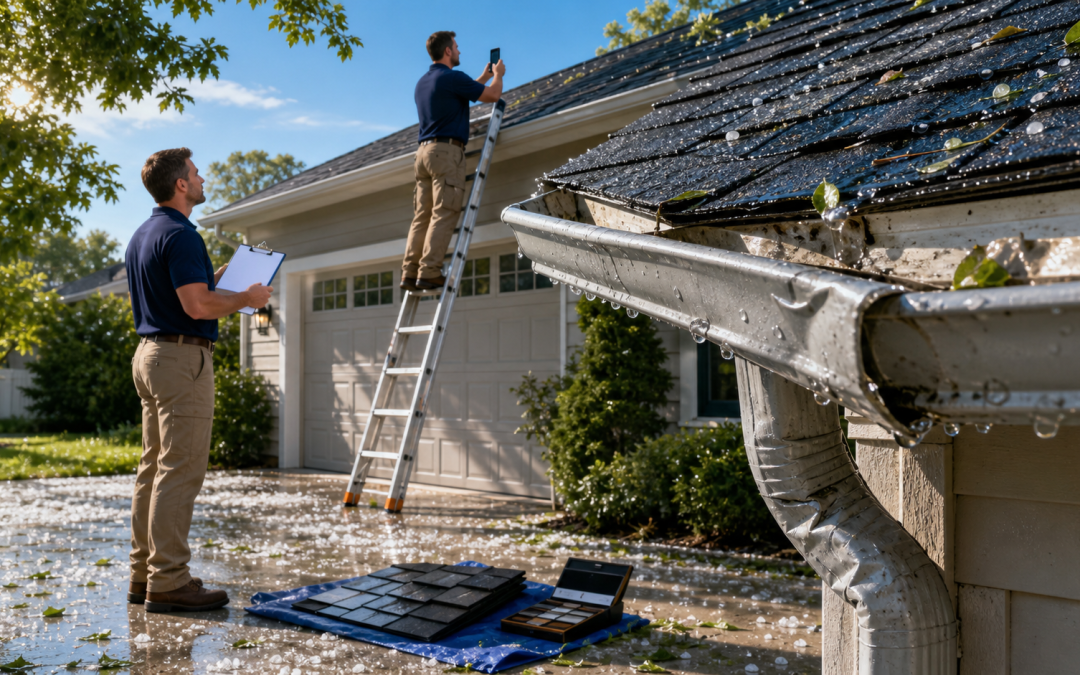
Protect Your Home After Summer Hail Before Damage Spreads
After a strong summer hailstorm, your home might look fine from the street. However, some of the most serious storm-related problems start small and remain hidden at first. Hail and high wind can bruise shingles, dent gutters, crack skylights, and damage outdoor living spaces long before you see a drip on the ceiling or a warped deck board.
If those early signs are ignored, they can turn into roof leaks, mold in the attic, soft spots in decks, or even a struggling AC unit. A structured, methodical check of your property helps you identify issues early and document them properly for insurance.
At Act Roofing & Restoration, we are a family-owned company established in 1992. We have been helping homeowners with hail and wind damage to roofs, windows, and siding for more than three decades. We offer free, no-obligation inspections, which are especially important for storm damage that is not visible from the ground, and we provide hands-on insurance support so small issues are found early and repairs are completed correctly and in line with your policy.
Start at the Top: Roof, Gutters, and Skylights
Your roof typically takes the hardest hit in a hailstorm. Many signs of damage can be seen from the ground, without climbing a ladder or risking a fall.
Look for indicators such as:
- Shingle granules collecting in gutters or at the bottom of downspouts
- Dented metal vents, flashing, and chimney caps
- Shingles that appear lifted, curled, or missing
- Dark or blotchy areas where hail has crushed granules
Some damage only appears under close inspection, such as bruised shingles that feel soft to the touch or hairline cracks. These issues are best evaluated by a storm damage roofing professional who understands how hail and wind affect roofing systems, knows what insurance companies look for, and can safely access the roof. Much of this damage is not visible from the ground, which is why a free, no-obligation inspection from our team is so valuable.
Your gutters and downspouts also provide important clues. Walk the perimeter and check for:
- Pings and dents along gutter faces and downspouts
- Bent or sagging sections, or seams that have pulled apart
- Granule buildup inside gutters that may clog future rainfall
- Dirty streaks or water marks on siding that show past overflow
Skylights and other roof penetrations like vents, satellite mounts, and plumbing stacks are common leak points after hail. For skylights, check for:
- Cracked or chipped glass or plastic
- Fogging or moisture trapped between panes
- Damaged or loose flashing around the skylight curb
- Interior stains or soft drywall around skylight wells
When you identify potential issues, document them immediately. Take both wide and close-up photos. Consider the following:
- Stand back and capture a full shot of the roof area or elevation
- Take close-ups with a coin or ruler in the frame for scale
- Record short videos while clearly describing what you are observing
- Label photos by area, such as “Front Roof, Right Side Vent”
Pairing your own photos with a free professional inspection from our team gives your insurance company a clear, well-supported picture of the hail and wind damage to your roof and gutters.
Cooling and Comfort Zones: AC Unit, Windows, and Siding
Your outdoor AC condenser often sits in an exposed location where hail can strike it directly. Before inspecting, turn the unit off at the thermostat and visually review components without bending or manipulating parts.
Check the condenser for:
- Dents in the metal fins or cabinet
- Bent fins that may block airflow
- Cracked or broken fan guards
- Any unusual sounds or vibration after the storm
Hail damage in this area can reduce efficiency and place strain on components, so it is important to have a qualified HVAC or storm damage professional examine the unit in more detail.
Next, take a slow, systematic walk around all windows and exterior doors. Check for:
- Cracked, chipped, or starred glass
- Torn or sagging screens
- Dented or bent frames and sills
- Fogging between glass panes that was not present before the storm
- New drafts when windows or doors are closed
Siding and trim can show very different damage depending on the material:
- Vinyl: cracks, holes, chips, or pieces broken at the laps
- Fiber cement: impact chips at edges or corners, flaking paint
- Metal: dents, dings, and chipped coating exposing bare metal
Wind can also pull siding loose at corners and joints, so carefully check those areas for gaps or movement.
For insurance documentation, group what you find by area:
- AC unit
- Windows and doors
- Siding and trim
Write a simple list for each area and match your notes to your photos. During a no-obligation inspection, our team can relate those items to typical policy language and help you understand how hail and wind damage to your roof, windows, and siding may be addressed under your coverage.
Outdoor Living Spaces: Decks, Fencing, and Accessories
Decks and patios take a direct beating from hail and heavy rain. Even when they are built to high standards, repeated impact can shorten their service life.
Walk your deck or patio and check for:
- Splintered or crushed spots on boards
- Small divots where hail hit and removed finish
- Peeling, blistered, or cloudy stain or paint that was previously sound
- Popped nails or lifted screws that create trip hazards
- New areas where water now pools after a storm
Fencing and railings around your yard can also be damaged in ways that are easily missed.
For different fence types, check for:
- Wood: split pickets, broken tops, missing caps, or leaning posts
- Vinyl: cracks, holes, or loose panels that move in the wind
- Metal: dents, bent rails, chipped coating, or rust starting at new chips
Also review additional exterior elements that may show impact damage and help demonstrate the size and intensity of the storm to your insurer. This may include pergolas, porch ceilings, exterior light fixtures, mailbox posts, playsets, and outdoor furniture. Impact marks on these items often correspond to the same hail that affected your roof and siding.
For clarity, create a “Yard and Deck” section in your photo set. Capture wide shots that show entire runs of fencing or the whole deck, then add close-ups of individual impacts. Note the date of the storm and approximately when you first noticed each issue.
Turning Photos Into a Strong Insurance Claim
Once your photos and notes are collected, a bit of organization is very helpful. On your phone or computer, create folders such as:
- Roof and gutters
- Windows and siding
- AC unit
- Deck and fence
- Yard and accessories
Rename files with the date and area, for example “Back-Siding-Window-Corner.” Back everything up to the cloud or another device so nothing is lost before your adjuster visit.
When you are ready to contact your insurance company, have this basic information ready:
- Date and time of the storm, as best you know
- A concise description of what you observed and when
- Any urgent issues such as active leaks or exposed wood
Avoid making permanent repairs before the adjuster sees the damage. Temporary covers, such as tarps or plastic over broken windows, can often be installed and may be reimbursed, but obtain guidance first and keep all receipts.
A trusted, customer-oriented contractor plays a key role at this stage. At Act Roofing & Restoration, we meet you at the property, walk the adjuster through what we found, and help compare the adjuster’s report to your policy to ensure that roof, siding, and window repairs are scoped correctly from the beginning. We then guide you step by step through the claim and repair process so that the final repairs align with your policy terms and coverage rather than leaving important items unaddressed.
By clearly defining the scope of damage and coverage, it becomes easier to plan work that is both timely and budget-conscious, aligning with your deductible without cutting corners on materials or workmanship.
From Checklist to Completed Repairs with Local Experts
Once you complete your post-storm checklist, the next smart step is a full exterior inspection from a qualified local team. Your photos and notes provide a helpful overview. Our inspection adds a close, professional evaluation of the roof, gutters, windows, siding, and other areas that are difficult or unsafe to see from the ground. This is particularly important because many hail and wind-related issues cannot be identified from street level.
At Act Roofing & Restoration, we focus on top-quality materials, thorough installation, and efficient, timely project management for both storm restoration and new construction roofing. Because we are a family-owned company that has served homeowners since 1992, we emphasize exceptional customer service, clear communication, and results that meet or exceed expectations rather than simply patching the most obvious issues.
Our team coordinates efficiently with insurance companies, provides detailed documentation, and manages your project with your budget and schedule in mind. By combining your careful documentation with our free, no-obligation inspection and our expertise in hail and wind damage to roofs, windows, and siding, you give your home the best opportunity to return to pre-storm condition or better, and you help ensure your insurance claim reflects the full extent of the damage, from roof and gutters to decks, fencing, and every outdoor “room” in between.
Get Started With Your Project Today
If your roof has been hit by hail, wind, or heavy rain, our team at Act Roofing & Restoration is ready to assess the damage and provide reliable storm damage roofing solutions. We carefully inspect your home, explain your options, and guide you through every step of the restoration process. Reach out today through our contact us page so we can help protect your home and restore your peace of mind.