

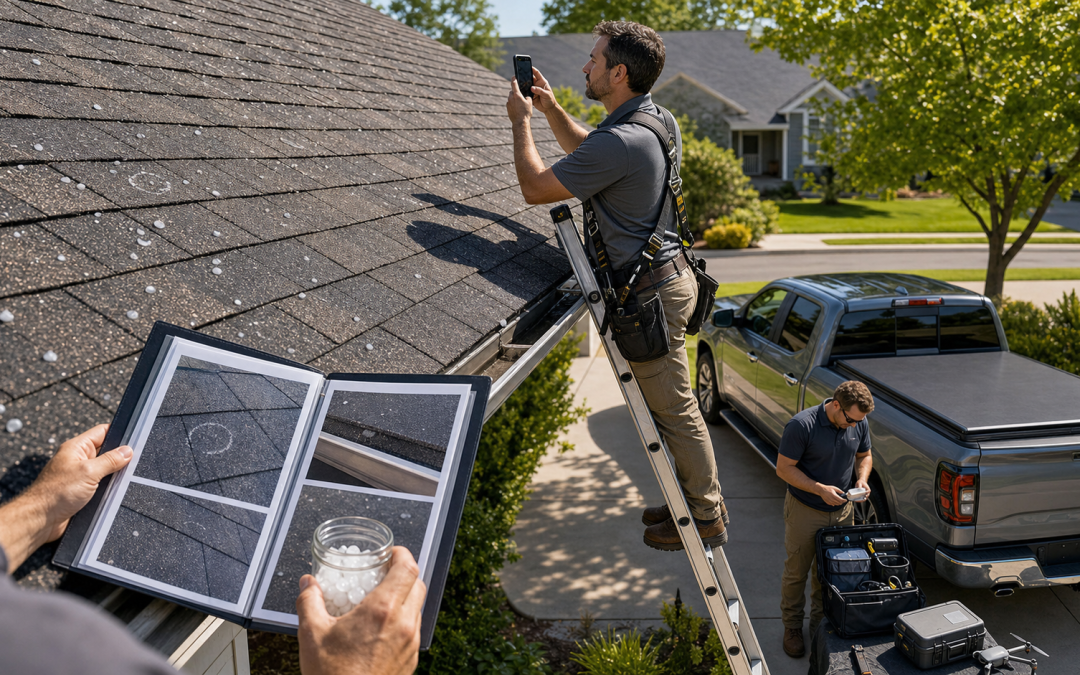
Protect Your Home After a Hailstorm with Smart Documentation
Hail can chew up roofs and siding in just a few minutes, but the real trouble often shows up days or weeks later as leaks and hidden damage. The first 24 to 72 hours after a hailstorm are the best times to spot problems, take photos, and write down what you see before things get worse or start to dry out and blend in.
You do not need to climb on the roof to get started. Many of the most helpful photos and notes can be taken safely from the ground, your driveway, or from inside your home. When you pair your own documentation with a professional inspection, you give your insurance adjuster a much clearer picture of what happened.
At Act Roofing & Restoration, we focus on storm damage restoration and insurance-supported roof replacement. We offer free roof inspections to confirm what you see and to uncover issues that often cannot be spotted from the yard. This checklist is meant to help you feel prepared and confident before the adjuster visit so the claim and repair process goes more smoothly.
First Safety Steps Before You Start Taking Photos
Before you grab your phone and start snapping pictures, take a minute to think about safety. Hailstorms can leave behind hazards that are not obvious at first glance.
Stay alert for things like:
- Wet, slick roofs and ladders
- Downed or sagging power lines
- Loose or hanging gutters and trim
- Broken glass around windows or lights
- Branches, nails, and other sharp debris underfoot
We strongly recommend that you stay off the roof. Even a roof that looks fine from the ground can have soft spots, cracked shingles, and loose granules that make slips and falls much more likely.
Next, do a quick check inside your home:
- Look at ceilings and upper walls for new water spots or bulges
- Peek in the attic if you can do so safely, checking for damp insulation or active drips
- Check around windows and doors for moisture, drafts, or musty smells
These early signs of leaks are important to note, even if you do not see obvious holes in the roof.
It also helps to gather a few simple tools and details before you start:
- Smartphone or camera with date and time enabled
- Notepad or notes app to record what you find
- Flashlight for darker areas like the attic
- Your insurance policy number and any past roofing paperwork you may have
Leave any close-up roof photos and hands-on inspection work to trained professionals. At Act Roofing & Restoration, our technicians are trained, insured, and equipped to safely inspect and document hail and wind damage so you do not have to put yourself at risk.
Exterior Photo Checklist From the Ground Up
Once it is safe, step outside and slowly walk around your property. Begin with wide shots, then move in closer.
Start with big-picture photos:
- Full views of each side of your home
- Shots that show the rooflines from the yard or driveway
- Overviews of landscaping, decks, and outdoor features
If there is still hail on the ground, grab a quick close-up with a coin, key, or ruler next to it. This helps show the size of the hailstones that hit your home.
Then look for items that tend to show dents and impact marks clearly, such as:
- Metal mailboxes and light posts
- Grills, patio furniture, and metal railings
- AC units and metal covers
- Downspouts and metal trim
These can be strong evidence of how hard the storm hit.
Be sure to photograph:
- Torn or dented window screens
- Cracked, chipped, or dented siding
- Chipped paint on trim and doors
- Dented or creased garage doors
- Shredded plants, stripped bark, and scattered mulch
For each area, try to get a wide shot first, then a closer shot of the problem spots. For example, take a photo of the whole front of the house, then zoom in on broken shingles at the eaves, loose soffits, sagging gutters, or bent fascia. These paired shots help the adjuster connect what they can see at eye level with what is likely happening on the roof.
The photos you capture from the ground are a great starting point. Our free roof inspections build on this by adding detailed roof-level photos and a professional damage report that you can share directly with your insurance adjuster.
What to Document on the Roof Without Climbing Up
You may feel tempted to get on a ladder for a closer look, but after a hailstorm, that can be risky for you and your roof. Hail often loosens granules and cracks shingles, which makes surfaces slick and unstable.
You can still document a lot without climbing:
- Use the zoom on your phone from the yard to look for missing shingles or lifted areas
- From a safe second-story window, look for exposed underlayment or wood
- Check for displaced or cracked ridge caps along the roof peak
- Look for dark spots that may be “bruises” where granules have been knocked off
- Notice piles of grit at gutter outlets or at the bottom of downspouts
Common signs of roof damage that usually need a professional confirmation include:
- Circular scuffs or dings on shingles where hail hit
- Bent or dented metal flashing around chimneys and walls
- Crushed or dented roof vents and pipe boots
- Damage to chimney caps, skylight frames, and metal valleys
If you can safely see any of this from inside or from the ground, snap a photo and make a quick note. During our no-obligation, free roof inspections, we climb the roof, check every slope, and create an organized set of photos and a written summary. That often helps make the insurance review faster and clearer.
Organizing Photos and Notes for Your Insurance Claim
Once you have your photos, a little organization goes a long way. Think like an adjuster who has never seen your home before and needs a clear story of what happened.
Create simple folders or albums, such as:
- Front Elevation
- Back Elevation
- Left Side
- Right Side
- Roofline (zoomed photos)
- Interior Ceilings and Attic
Keep your photos in the order you took them, so it is clear they were taken shortly after the hailstorm.
Next, start a basic damage log. Include:
- Date and approximate time of the storm
- Hail size you saw or photographed
- Any power outages or other storm issues
- Where you noticed leaks, stains, or damp areas
- Any emergency steps taken, like tarps or buckets
- Receipts for temporary fixes or cleanup supplies
A clear packet of photos, notes, and receipts, combined with a professional inspection report, often leads to fewer delays and less back-and-forth. Many homeowners tell us that our detailed documentation and direct coordination with their insurer helped take a lot of stress and guesswork off their plate.
Our free roof inspections are designed not only to find damage but also to give you organized, insurer-ready information so you can make choices with confidence and without pressure.
Partner with a Trusted Roofing Expert Before the Adjuster Visit
The last step before the adjuster visit is to bring in a storm damage expert who can stand on the roof, look closely at every slope, and speak the same technical language as the insurance company.
By having a professional assessment done first, you gain:
- A clear opinion on whether your roof needs repair or full replacement
- A better understanding of how hail and wind affected your shingles and exterior
- Photos and notes laid out in a way adjusters are used to seeing
- Someone who can be available to explain details or answer questions
At Act Roofing & Restoration, we are a family-owned roofing contractor that focuses on storm damage and insurance-supported roof replacement. We put a lot of care into responsive communication, staying on schedule, and working within your budget while using top-quality materials and thorough installation practices for long-lasting results. Many customers share that they feel guided, not sold, and that our crews protect landscaping, clean up carefully, and leave the property in better shape than before the storm.
When a hailstorm hits, smart documentation and the right partner can make all the difference in how smoothly your claim and repairs go. With your checklist in hand and a trusted roofing expert on your side, you can move forward knowing your home is protected and your claim is backed by clear, solid information.
Get Started With Your Project Today
Protect your home before minor roof issues turn into expensive repairs by scheduling one of our free roof inspections. At Act Roofing & Restoration, we thoroughly assess your roof, explain our findings in clear terms, and recommend only the work you truly need. If you are ready to talk through your options or schedule an appointment, simply contact us and we will help you take the next step with confidence.